Understanding Drug Addiction: An In-Depth Exploration
Explore the complexities of drug addiction, its impact on individuals and society, and effective prevention and treatment strategies.
 By Joanna Yanoff12 min read
Drug addiction is a complex and multifaceted condition that affects millions of individuals and their families across the globe. At its core, drug addiction is defined as a chronic, relapsing disorder characterized by compulsive drug seeking, continued use despite harmful consequences, and long-lasting changes in the brain. Understanding this definition is crucial, as it highlights the serious nature of addiction and the profound impact it can have on an individual's life. To grasp the full scope of drug addiction, one must recognize that it is not merely a matter of willpower or moral failing. Instead, it involves intricate interactions between biological, psychological, and social factors.
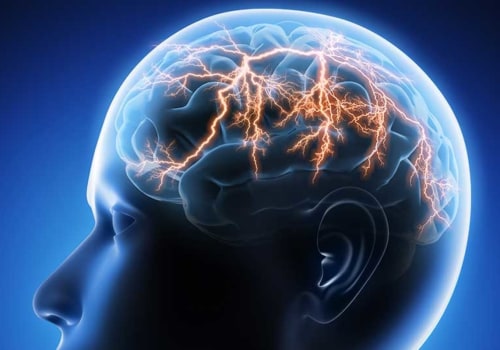
The brain's reward system plays a pivotal role in addiction; drugs can hijack this system, leading to intense cravings and a diminished ability to experience pleasure from everyday activities. This neurobiological perspective underscores why individuals struggling with drug addiction often find it incredibly challenging to quit, even when they are aware of the negative consequences. Moreover, drug addiction does not exist in isolation. It is often intertwined with various social issues such as poverty, mental health disorders, and trauma. The stigma surrounding addiction can further complicate recovery efforts, making it essential for society to foster understanding and compassion towards those affected.
By educating ourselves about drug addiction, we can better support individuals on their journey to recovery and work towards creating a more informed and empathetic community.
The Nature of Drug Addiction
Drug addiction is a complex condition characterized by compulsive drug seeking and use, despite harmful consequences. It is often accompanied by changes in the brain's structure and function, which can lead to long-lasting behavioral changes. Understanding the nature of drug addiction requires an exploration of its psychological and physiological aspects.Characteristics of Drug Addiction
- Compulsion: Individuals struggling with drug addiction often feel an overwhelming urge to use drugs, which can overshadow their ability to make rational decisions.
- Tolerance: Over time, a person may require larger doses of the drug to achieve the same effects, leading to increased consumption and potential overdose.
- Withdrawal Symptoms: When not using the drug, individuals may experience physical and psychological symptoms such as anxiety, irritability, nausea, and tremors, which can drive them back to substance use.
- Neglecting Responsibilities: Drug addiction often leads to a decline in personal and professional responsibilities, affecting relationships, work performance, and overall quality of life.
How Drug Addiction Develops
The development of drug addiction is influenced by a combination of genetic, environmental, and psychological factors. Here are some key elements that contribute to the onset of addiction:
- Genetic Predisposition: Research indicates that genetics can play a significant role in an individual's susceptibility to addiction.
Family history of substance abuse can increase the likelihood of developing similar issues.
- Environmental Influences: Factors such as peer pressure, exposure to drug use in the community or family, and stressful life events can significantly impact an individual's risk for addiction.
- Mental Health Disorders: Many individuals with drug addiction also suffer from co-occurring mental health disorders such as depression or anxiety. These conditions can exacerbate substance use as individuals may turn to drugs as a form of self-medication.
Types of Drugs Commonly Abused
Drug addiction is a complex condition characterized by compulsive drug seeking and use, despite harmful consequences. Understanding the various types of drugs commonly abused is crucial for recognizing the scope of this addiction.Drugs can be categorized into several groups based on their effects on the body and mind. Below are the primary categories of drugs that are frequently misused:
- Stimulants: These drugs increase alertness, attention, and energy. Common stimulants include cocaine, methamphetamine, and prescription medications like Adderall and Ritalin. Users may experience heightened mood and increased energy levels, but prolonged use can lead to severe health issues such as heart problems and anxiety disorders.
- Depressants: Depressants slow down the central nervous system, leading to relaxation and drowsiness.
Alcohol, benzodiazepines (like Xanax and Valium), and barbiturates fall into this category. While they may be prescribed for anxiety or sleep disorders, misuse can result in addiction, overdose, and life-threatening withdrawal symptoms.
- Opioids: This category includes both prescription pain relievers (such as oxycodone, hydrocodone, and morphine) and illegal drugs like heroin. Opioids are highly addictive due to their ability to produce intense feelings of euphoria. The opioid epidemic has led to a significant increase in overdose deaths, making it a critical public health issue.
- Hallucinogens: Hallucinogenic drugs alter perception, mood, and cognitive processes.
Common examples include LSD (lysergic acid diethylamide), psilocybin (magic mushrooms), and PCP (phencyclidine). While some users seek these substances for their mind-altering effects, they can lead to unpredictable behavior and long-term psychological issues.
- Cannabinoids: This category primarily includes marijuana but also encompasses synthetic cannabinoids like K2 or Spice. While marijuana is legal in many states for medicinal or recreational use, its potential for abuse remains a concern, particularly among adolescents.
Understanding these categories not only aids in identifying potential risks but also fosters a more informed approach to prevention and treatment strategies.
Signs and Symptoms of Drug Addiction
Recognizing the signs of drug addiction is crucial for early intervention and effective treatment. Drug addiction can manifest in various ways, affecting not only the individual but also their relationships and overall quality of life. Here are some key signs and symptoms to look out for:- Changes in Behavior: One of the most noticeable signs of drug addiction is a significant change in behavior. This may include withdrawal from family and friends, loss of interest in activities once enjoyed, or a sudden change in social circles.
- Neglecting Responsibilities: Individuals struggling with addiction often neglect their responsibilities at work, school, or home.
This can manifest as poor performance, frequent absences, or a lack of attention to personal hygiene and appearance.
- Physical Symptoms: Drug addiction can lead to various physical symptoms, including weight loss or gain, changes in sleep patterns, and unusual body odors. Additionally, frequent nosebleeds or track marks may indicate substance use.
- Emotional Instability: Those battling addiction may experience mood swings, irritability, anxiety, or depression. Emotional instability can be a significant indicator that someone is struggling with substance abuse.
- Risky Behaviors: Engaging in risky behaviors such as driving under the influence, unsafe sexual practices, or criminal activities can be a sign of drug addiction. These behaviors often stem from impaired judgment due to substance use.
- Tolerance and Withdrawal: A growing tolerance to drugs means that an individual needs to consume more of the substance to achieve the same effects.
Conversely, withdrawal symptoms—such as nausea, sweating, shaking, or anxiety—when not using the drug can indicate a physical dependence.
The Impact of Drug Addiction on Individuals and Society
Drug addiction is a complex condition that not only affects the individual but also reverberates throughout society. The consequences of drug addiction can be profound, impacting various aspects of life including health, relationships, and overall quality of life.Effects on Individuals
- Physical Health: Drug addiction can lead to severe health issues such as heart disease, liver damage, respiratory problems, and infectious diseases. The physical toll of substance abuse often results in a diminished quality of life and can lead to premature death.
- Mental Health: Many individuals struggling with drug addiction also face mental health disorders such as depression, anxiety, and psychosis.
The interplay between substance use and mental health can create a vicious cycle that is difficult to break.
- Relationships: Addiction often strains relationships with family, friends, and colleagues. Trust issues, emotional withdrawal, and erratic behavior can alienate loved ones, leading to isolation and further exacerbating the addiction.
- Quality of Life: The pursuit of drugs often takes precedence over personal goals and responsibilities. This shift in priorities can lead to job loss, financial instability, and a general decline in life satisfaction.
Societal Effects of Drug Addiction
- Economic Costs: The economic burden of drug addiction is staggering. It includes healthcare costs for treating addiction-related illnesses, lost productivity due to absenteeism or job loss, and expenses related to law enforcement and criminal justice interventions.
- Public Health Issues: Drug addiction contributes to a range of public health crises, including the spread of infectious diseases through needle sharing and increased rates of overdose deaths.
These issues place additional strain on healthcare systems and emergency services.
- Crime Rates: There is a well-documented correlation between drug addiction and crime. Individuals may resort to illegal activities to fund their addiction, leading to increased crime rates in communities affected by substance abuse.
Preventing Drug Addiction: Strategies and Resources
Preventing drug addiction is a multifaceted challenge that requires a combination of individual, familial, and community efforts. By implementing effective strategies and utilizing available resources, we can significantly reduce the risk of addiction and promote healthier lifestyles.Individual Strategies for Prevention
- Education and Awareness: Understanding the risks associated with drug use is crucial.
Educational programs that inform individuals about the dangers of drugs can empower them to make informed choices.
- Developing Coping Skills: Teaching individuals, especially young people, how to cope with stress and emotional challenges can reduce the likelihood of turning to drugs as a solution. Skills such as problem-solving, decision-making, and emotional regulation are essential.
- Building Strong Relationships: Encouraging open communication within families and friendships can create a support system that discourages drug use. Strong social connections provide emotional support and reduce feelings of isolation.
Community-Level Strategies
- Community Education Programs: Local organizations can host workshops and seminars to educate the public about drug addiction and prevention strategies. These programs can target schools, workplaces, and community centers.
- Access to Recreational Activities: Providing safe and engaging recreational opportunities for youth can deter drug use.
Sports, arts, and community service projects keep individuals occupied and foster a sense of belonging.
- Support Groups: Establishing support groups for at-risk individuals can create a safe space for sharing experiences and challenges. These groups can offer guidance and encouragement to those struggling with substance use issues.
Resources for Prevention
- NIDA (National Institute on Drug Abuse): This organization offers extensive resources on drug addiction prevention, including research-based information and educational materials.
- SAMHSA (Substance Abuse and Mental Health Services Administration): SAMHSA provides a national helpline and various resources aimed at preventing substance abuse through education and outreach.
- Local Health Departments: Many local health departments offer programs focused on drug prevention, including counseling services, educational workshops, and community outreach initiatives.
Frequently Asked Questions about Drug Addiction
Drug addiction is a complex issue that raises numerous questions and misconceptions. Addressing these frequently asked questions can help clarify the nature of drug addiction and promote a better understanding of its impact on individuals and society.What is drug addiction?
Drug addiction, also known as substance use disorder, is characterized by an uncontrollable urge to use drugs despite the negative consequences that may arise.This condition alters brain function, leading to compulsive behavior and a diminished ability to make sound decisions. It can affect anyone, regardless of age, gender, or background.
What are the signs of drug addiction?
- Increased tolerance to the substance, requiring more to achieve the same effect.
- Withdrawal symptoms when not using the drug, such as anxiety, irritability, or physical discomfort.
- Neglecting responsibilities at work, school, or home due to drug use.
- Continued use despite knowing the risks and consequences.
- Social isolation or withdrawal from friends and family.
Is drug addiction a choice?
A common myth is that drug addiction is simply a matter of choice or willpower. In reality, addiction is a chronic disease that affects brain chemistry and function. While initial drug use may be voluntary, repeated use can lead to changes in the brain that make it increasingly difficult to stop.Can drug addiction be treated?
Yes, drug addiction is treatable.Various treatment options are available, including behavioral therapies, counseling, and medication-assisted treatment. Recovery is often a long-term process that requires ongoing support and commitment.
What role does stigma play in drug addiction?
The stigma surrounding drug addiction can prevent individuals from seeking help. Many people view addiction as a moral failing rather than a medical condition. This misconception can lead to feelings of shame and isolation for those struggling with addiction.Educating the public about the realities of drug addiction can help reduce stigma and encourage more individuals to seek the help they need. Understanding these aspects of drug addiction can foster informed discussions and promote empathy towards those affected by this challenging condition.
Conclusion: The Path Forward in Understanding Drug Addiction
In conclusion, understanding drug addiction is crucial for both prevention and treatment. Throughout this article, we have explored the multifaceted nature of addiction, emphasizing that it is not merely a matter of willpower or moral failing. Instead, it is a complex interplay of biological, psychological, and social factors that can affect anyone, regardless of their background. We discussed how drug addiction can lead to devastating consequences, impacting not only the individual but also their families and communities. The stigma surrounding addiction often prevents individuals from seeking help, which is why fostering a compassionate understanding of this issue is essential.By recognizing addiction as a disease rather than a choice, we can create an environment that encourages those affected to pursue recovery without fear of judgment. Moreover, we highlighted the importance of early intervention and education in preventing drug addiction. Programs that inform young people about the risks associated with drug use can significantly reduce the likelihood of developing an addiction later in life. Schools, families, and communities must work together to provide resources and support systems that empower individuals to make informed choices. Effective treatment for drug addiction requires a comprehensive approach that addresses the physical, emotional, and social aspects of the disorder. This includes access to medical care, counseling services, and support groups that foster recovery.
It is vital for healthcare providers to adopt evidence-based practices tailored to the unique needs of each individual. As we move forward in our understanding of drug addiction, it is imperative to advocate for policies that support research and funding for treatment programs. By investing in these initiatives, we can improve outcomes for those struggling with addiction and ultimately reduce the societal impact of this pervasive issue. In summary, a deeper understanding of drug addiction equips us with the tools necessary for effective prevention and treatment. By fostering empathy, promoting education, and advocating for comprehensive care, we can pave the way for healthier communities and brighter futures for those affected by addiction.