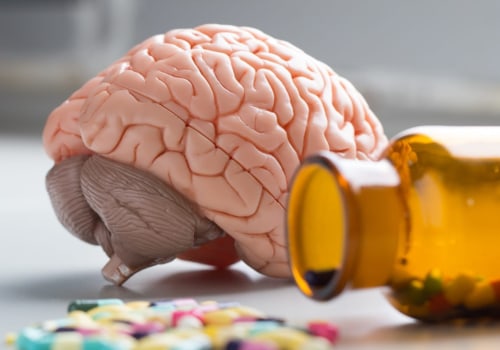
Understanding the Side Effects of Drug Addiction: A Comprehensive Guide
Explore the profound side effects of drug addiction, including physical, psychological, and social impacts. Understand the importance of treatment.
 By Joanna Yanoff15 min read
Drug addiction is a complex and pervasive issue that affects millions of individuals and families across the United States. It is characterized by a compulsive pattern of substance use, despite the harmful consequences that often accompany it. The prevalence of drug addiction has reached alarming levels, with various substances, including prescription medications, illicit drugs, and alcohol, contributing to a growing public health crisis. Understanding the nature of drug addiction is crucial for recognizing its profound impact on individuals and society as a whole. The side effects of drug addiction extend far beyond the immediate physical health risks associated with substance abuse.
They encompass a wide range of psychological, emotional, and social consequences that can alter an individual's life trajectory. From deteriorating mental health to strained relationships with family and friends, the repercussions of addiction can be devastating. Moreover, the stigma surrounding addiction often prevents individuals from seeking help, exacerbating their struggles and perpetuating a cycle of dependency. As we delve deeper into the topic of drug addiction, it is essential to explore not only the symptoms and signs but also the long-term effects that can arise from sustained substance abuse. These effects can manifest in various forms, including cognitive impairments, increased risk of mental health disorders, and significant changes in behavior.
By shedding light on these critical aspects, we aim to foster a better understanding of drug addiction and its far-reaching implications. Ultimately, addressing drug addiction requires a multifaceted approach that includes education, prevention, and access to effective treatment options. By raising awareness about the side effects and impacts of addiction, we can empower individuals to seek help and support those affected by this challenging condition.
Defining Drug Addiction
Drug addiction, often referred to as substance use disorder, is a complex condition characterized by an uncontrollable urge to consume drugs despite the harmful consequences that may arise. This condition goes beyond mere casual use; it involves a psychological and physical dependence on substances that can lead to significant impairment in daily functioning.Understanding Drug Addiction
At its core, drug addiction is defined by a compulsive pattern of drug-seeking behavior and use. Individuals struggling with addiction often prioritize their drug use over other important aspects of life, such as relationships, work, and health.
This compulsive behavior is typically driven by the brain's reward system, which becomes altered due to repeated substance use.
Types of Drug Addiction
Drug addiction can manifest in various forms, depending on the substance involved. Here are some common types:
- Alcohol Addiction: Often overlooked, alcohol addiction can have devastating effects on both physical and mental health.
- Opioid Addiction: This includes addiction to prescription painkillers like oxycodone and illicit drugs like heroin.
- Cocaine Addiction: Cocaine is a powerful stimulant that can lead to severe psychological dependence.
- Stimulant Addiction: This category includes drugs like methamphetamine and ecstasy, which can cause intense euphoria but also significant health risks.
- Benzodiazepine Addiction: These prescription medications are often misused for their sedative effects, leading to dependency.
Distinguishing Between Casual Use and Addiction
It is essential to differentiate between casual substance use and drug addiction. While many individuals may use drugs recreationally without developing an addiction, those who become addicted experience a profound shift in their relationship with the substance.
Casual users may have control over their consumption and can stop without experiencing withdrawal symptoms or cravings. In contrast, individuals with drug addiction find it increasingly difficult to control their use, often leading to a cycle of abuse that can be challenging to break. In summary, understanding the definition of drug addiction and its various types is vital for recognizing its impact on individuals and society as a whole. By acknowledging the severity of this condition, we can better address the needs of those affected and work towards effective treatment solutions.
Short-Term Side Effects of Drug Addiction
Drug addiction can lead to a variety of short-term side effects that manifest shortly after the use of substances. These effects can vary significantly depending on the type of drug consumed, the method of use, and the individual’s unique physiology.Understanding these immediate consequences is crucial for recognizing the dangers associated with drug abuse.
Physical Effects
- Increased Heart Rate: Many stimulants, such as cocaine and methamphetamine, can cause a rapid increase in heart rate, which may lead to palpitations or even heart complications.
- Nausea and Vomiting: Opioids and certain hallucinogens can induce feelings of nausea, leading to vomiting, which can be both uncomfortable and dangerous.
- Respiratory Issues: Drugs like heroin can depress the respiratory system, leading to shallow breathing or even respiratory failure in severe cases.
- Changes in Appetite: Many drugs alter appetite, either suppressing it or causing intense cravings for food, which can lead to unhealthy eating patterns.
Psycho-emotional Effects
- Euphoria: Many users experience a temporary state of euphoria or intense pleasure shortly after drug use, which is often what drives continued use.
- Anxiety and Paranoia: Some substances can trigger heightened anxiety levels or feelings of paranoia, making users feel on edge or fearful.
- Altered Perception: Hallucinogens can distort reality, leading to visual or auditory hallucinations that can be frightening or disorienting.
Behavioral Changes
- Impulsivity: Drug use often leads to impulsive behavior, where individuals may engage in risky activities without considering the consequences.
- Social Withdrawal: Users may isolate themselves from friends and family, preferring to spend time alone or with other users.
- Neglect of Responsibilities: Immediate priorities such as work, school, or family obligations may be disregarded in favor of obtaining and using drugs.
Long-Term Side Effects of Drug Addiction
Drug addiction is a complex condition that can lead to a myriad of long-term side effects, significantly impacting an individual's physical and mental health. Understanding these chronic consequences is crucial for recognizing the importance of treatment and recovery. One of the most alarming long-term effects of drug addiction is the deterioration of physical health. Prolonged substance abuse can lead to serious medical conditions, including:- Cardiovascular issues: Many drugs, particularly stimulants like cocaine and methamphetamine, can cause heart problems, including arrhythmias, heart attacks, and increased blood pressure.
- Liver damage: Substances such as alcohol and certain prescription medications can lead to liver diseases, including cirrhosis and liver failure.
- Respiratory problems: Smoking drugs like crack cocaine or marijuana can result in chronic bronchitis, lung infections, and other respiratory issues.
- Neurological damage: Long-term drug use can alter brain structure and function, leading to cognitive deficits, memory loss, and increased risk of neurodegenerative diseases.
Individuals struggling with addiction often experience:
- Anxiety disorders: Chronic substance abuse can exacerbate anxiety symptoms or lead to new anxiety disorders.
- Depression: Many individuals with a history of drug addiction report feelings of hopelessness and persistent sadness, which can be both a cause and effect of their substance use.
- Psychosis: Certain drugs can induce psychotic episodes characterized by hallucinations and delusions, which may persist even after cessation of use.
- Increased risk of suicide: The combination of mental health struggles and the isolation often associated with addiction can lead to suicidal thoughts or actions.
Psychological Effects of Drug Addiction
Drug addiction profoundly impacts an individual’s psychological well-being, leading to a myriad of emotional and mental health challenges.The relationship between mental health and addiction is complex, as each can exacerbate the other, creating a vicious cycle that is difficult to break. One of the most common psychological effects of drug addiction is anxiety. Individuals may experience heightened levels of anxiety due to the stress of maintaining their addiction, the fear of withdrawal symptoms, or the consequences of their drug use. This anxiety can manifest in various forms, including panic attacks, generalized anxiety disorder, or social anxiety, making it increasingly difficult for individuals to engage in everyday activities. Another significant psychological consequence is depression. Many individuals struggling with drug addiction report feelings of hopelessness and despair.
The substances that initially provided a temporary escape often lead to a crash that exacerbates depressive symptoms. This can create a dangerous cycle where individuals use drugs to cope with their depression, only to find that the drugs ultimately worsen their mental health. In addition to anxiety and depression, drug addiction can lead to other serious mental health disorders. For instance:
- Psychosis: Some drugs can induce psychotic symptoms such as hallucinations and delusions, which may persist even after the individual stops using the substance.
- Bipolar disorder: Substance abuse can trigger or worsen episodes of mania or depression in individuals predisposed to bipolar disorder.
- Post-Traumatic Stress Disorder (PTSD): Those with a history of trauma may turn to drugs as a coping mechanism, which can complicate their recovery from PTSD.
Individuals may isolate themselves due to shame or guilt associated with their addiction, leading to feelings of loneliness and abandonment. Addressing these psychological effects is crucial in any treatment plan for drug addiction. Effective treatment should not only focus on physical detoxification but also incorporate mental health support through therapy, counseling, and support groups. By addressing both the psychological and physical aspects of addiction, individuals can work towards recovery that encompasses all facets of their well-being.
Physical Health Consequences of Drug Addiction
Drug addiction can lead to a myriad of physical health problems that significantly impact an individual's overall well-being. The consequences of substance abuse extend beyond psychological effects, often resulting in severe bodily harm and long-term health risks. One of the most alarming aspects of drug addiction is the potential for organ damage.Different substances affect various organs in unique ways:
- Alcohol: Chronic alcohol abuse can lead to liver cirrhosis, pancreatitis, and cardiovascular diseases.
- Cocaine: This stimulant can cause heart attacks, strokes, and respiratory issues due to its impact on the cardiovascular system.
- Opioids: Prolonged use can result in respiratory depression, leading to insufficient oxygen supply to vital organs.
- Methamphetamines: These can cause severe dental problems (often referred to as "meth mouth"), skin infections, and significant weight loss due to poor nutrition.
- HIV/AIDS
- Hepatitis B and C
- Other sexually transmitted infections (STIs)
This neurological impact can create a vicious cycle where individuals turn back to drugs as a means of coping with their deteriorating mental state. The physical health consequences of drug addiction are profound and multifaceted. Addressing these issues requires comprehensive treatment that not only focuses on overcoming addiction but also on restoring physical health through medical intervention and lifestyle changes.
Social and Economic Impacts of Drug Addiction
Drug addiction extends far beyond the individual, creating a ripple effect that impacts families, communities, and the economy at large. Understanding these social and economic consequences is crucial for grasping the full scope of addiction's reach.Social Effects of Drug Addiction
At the heart of drug addiction's social impact lies the disruption of family dynamics. Families often bear the brunt of a loved one’s addiction, leading to:- Strained Relationships: Trust erodes as addiction takes precedence over familial bonds.
Communication breaks down, and loved ones may feel helpless or angry.
- Emotional Distress: Family members frequently experience anxiety, depression, and feelings of isolation as they navigate the challenges posed by addiction.
- Child Neglect: Parents struggling with addiction may neglect their children’s needs, leading to adverse developmental outcomes and potential long-term psychological issues.
Economic Consequences
The economic ramifications of drug addiction are profound and multifaceted. They include:- Job Performance Decline: Employees grappling with addiction often face decreased productivity, increased absenteeism, and higher turnover rates. This not only affects their career trajectory but also places a burden on employers.
- Healthcare Costs: The financial strain on healthcare systems is significant, as individuals with substance use disorders often require extensive medical treatment for both physical and mental health issues.
- Legal Expenses: Drug-related offenses can lead to costly legal battles, fines, and incarceration, further straining personal finances and public resources.
Addressing these issues requires a comprehensive approach that not only focuses on individual recovery but also considers the broader implications for families and society as a whole.
Treatment Options for Drug Addiction and Their Effectiveness
When it comes to overcoming drug addiction, a variety of treatment options are available, each tailored to meet the unique needs of individuals. Understanding these options and their effectiveness is crucial for anyone seeking recovery.1.Behavioral Therapies
Behavioral therapies are among the most common and effective treatments for drug addiction. These therapies focus on modifying harmful behaviors associated with substance abuse and developing coping strategies. Some widely used behavioral therapies include:
- Cognitive Behavioral Therapy (CBT): This therapy helps individuals recognize and change negative thought patterns that contribute to drug use.
- Contingency Management: This approach provides tangible rewards for positive behaviors, such as staying drug-free.
- Motivational Interviewing: This client-centered counseling style enhances an individual's motivation to change by exploring their ambivalence toward drug use.
2.Medication-Assisted Treatment (MAT)
For some individuals, medication can play a vital role in recovery.
MAT combines behavioral therapy with medications to treat substance use disorders effectively. Common medications include:
- Buprenorphine: Used primarily for opioid addiction, it helps reduce cravings and withdrawal symptoms.
- Naltrexone: This medication blocks the effects of opioids and reduces cravings for alcohol.
- Disulfiram: Often used for alcohol addiction, it causes unpleasant reactions when alcohol is consumed.
3.Support Groups and Peer Support
Support groups such as Alcoholics Anonymous (AA) or Narcotics Anonymous (NA) provide a community of individuals who share similar experiences. These groups offer emotional support, accountability, and a sense of belonging, which can be invaluable during recovery.
4.Inpatient and Outpatient Programs
Treatment programs can be categorized into inpatient and outpatient settings:
- Inpatient Programs: These provide 24/7 care in a structured environment, ideal for those with severe addictions or co-occurring mental health disorders.
- Outpatient Programs: These allow individuals to attend treatment while maintaining their daily responsibilities, making them suitable for those with less severe addictions.
Frequently Asked Questions About Drug Addiction Side Effects
Understanding the side effects of drug addiction is crucial for both individuals struggling with substance use and their loved ones.Here are some frequently asked questions that can help clarify common concerns:
What are the immediate side effects of drug addiction?
Immediate side effects can vary significantly depending on the type of drug used. Common immediate effects include:- Physical health issues: Increased heart rate, respiratory problems, and nausea.
- Mental health changes: Anxiety, paranoia, and mood swings.
- Behavioral changes: Impulsivity, aggression, and withdrawal from social activities.
What are the long-term side effects of drug addiction?
The long-term consequences of drug addiction can be severe and often irreversible. These may include:- Cognitive impairments: Memory loss, difficulty concentrating, and impaired decision-making abilities.
- Chronic health conditions: Heart disease, liver damage, and respiratory issues.
- Mental health disorders: Increased risk of depression, anxiety disorders, and psychosis.
How does drug addiction affect relationships?
Drug addiction can strain relationships with family, friends, and colleagues. Common effects include:- Breach of trust: Lying or stealing to support the addiction can lead to broken trust.
- Emotional distance: Individuals may become withdrawn or irritable, making it difficult for loved ones to connect.
- Increased conflict: Arguments over drug use can escalate tensions within relationships.
Can drug addiction lead to legal issues?
Yes, drug addiction often results in legal problems.These may arise from:
- Possession charges: Being caught with illegal substances can lead to arrest and prosecution.
- DUI offenses: Driving under the influence of drugs can result in severe penalties.
- Theft or fraud: Some individuals may resort to illegal activities to fund their addiction.
Conclusion: The Importance of Awareness and Treatment for Drug Addiction
In conclusion, understanding the side effects of drug addiction is crucial for both individuals struggling with substance use and their loved ones. The impact of addiction extends far beyond the individual, affecting families, communities, and society as a whole. Recognizing the signs and symptoms of addiction can lead to early intervention, which is vital in mitigating the long-term consequences associated with substance abuse. The side effects of drug addiction are multifaceted, encompassing physical, psychological, and social dimensions.Physically, individuals may experience a range of health issues, from cardiovascular problems to respiratory complications, depending on the substance abused. Psychologically, addiction can lead to severe mental health disorders such as depression, anxiety, and psychosis. Socially, the ramifications can include strained relationships, job loss, and legal troubles. Moreover, the stigma surrounding drug addiction often prevents individuals from seeking help. It is essential to foster an environment where open discussions about addiction are encouraged.
Awareness campaigns can play a significant role in educating the public about the realities of addiction and dispelling myths that contribute to stigma. For those affected by drug addiction, seeking treatment is a critical step towards recovery. Various treatment options are available, including therapy, medication-assisted treatment, and support groups. Each individual's journey to recovery is unique; therefore, personalized treatment plans are essential for effective rehabilitation. Ultimately, raising awareness about the side effects of drug addiction not only aids in prevention but also encourages those in need to pursue help. If you or someone you know is struggling with addiction, it is vital to reach out for support.
Remember that recovery is possible, and taking that first step towards treatment can lead to a healthier and more fulfilling life.