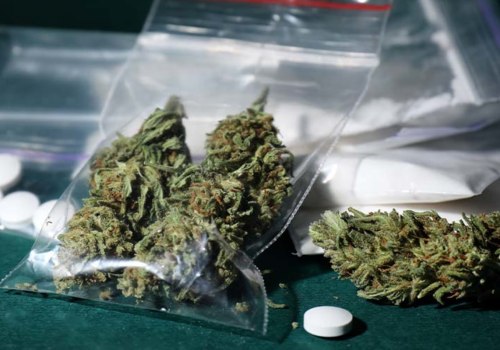
Understanding the Main Effects of Drug Addiction
Explore the profound effects of drug addiction on health, behavior, and society. Learn about treatment options and the importance of awareness.
 By Joanna Yanoff13 min read
Drug addiction is a complex and pervasive issue that affects millions of individuals and families across the United States. It is characterized by a compulsive pattern of substance use, leading to significant impairment or distress. The journey into addiction often begins with experimentation, but it can quickly spiral into a dependency that alters the brain's chemistry and function. Understanding the nuances of drug addiction is crucial for recognizing its profound impact on both personal and societal levels. The prevalence of substance abuse has reached alarming rates, with statistics indicating that over 20 million Americans aged 12 and older have struggled with a substance use disorder in the past year.
This staggering number highlights the urgent need for awareness and intervention. Drug addiction does not discriminate; it can affect anyone, regardless of age, gender, or socioeconomic status. The consequences extend beyond the individual, affecting families, communities, and healthcare systems. As we delve deeper into the effects of drug abuse, it becomes evident that the ramifications are far-reaching. From physical health complications to emotional turmoil and social isolation, the toll of addiction is immense.
Individuals grappling with addiction often find themselves trapped in a cycle of despair, where their lives become increasingly unmanageable. This section aims to provide a comprehensive overview of drug addiction, setting the stage for a more detailed exploration of its effects on individuals and society as a whole.
Physical Effects of Drug Abuse
Drug addiction has profound and often devastating physical health effects that can impact nearly every system in the body. Understanding these consequences is essential for recognizing the severity of substance abuse and the urgent need for intervention. One of the most significant areas affected by drug abuse is the cardiovascular system. Many substances, including stimulants like cocaine and methamphetamine, can lead to increased heart rate and blood pressure.Over time, this can result in serious conditions such as:
- Heart attacks: The strain on the heart can lead to myocardial infarction, especially in individuals with pre-existing conditions.
- Arrhythmias: Irregular heartbeats can occur, which may lead to sudden cardiac arrest.
- Cardiomyopathy: Long-term drug use can weaken the heart muscle, impairing its ability to pump blood effectively.
- Chronic obstructive pulmonary disease (COPD): Long-term smoking of substances like marijuana or crack cocaine can cause irreversible lung damage.
- Pneumonia: Drug abuse can suppress the immune system, making individuals more susceptible to infections.
- Lung cancer: The carcinogenic properties of many smoked substances significantly increase cancer risk.
- Liver damage: Alcohol and certain drugs can lead to fatty liver disease, hepatitis, or cirrhosis.
- Kidney failure: Drugs that are processed through the kidneys can cause acute kidney injury or chronic kidney disease.
- Cognitive decline: Prolonged substance abuse can lead to neurological issues, including memory loss and cognitive impairment.
Early intervention and treatment are vital in mitigating these effects and promoting recovery.
Psychological Effects of Drug Addiction
Drug addiction profoundly impacts mental health, leading to a range of psychological effects that can be both debilitating and long-lasting. Individuals grappling with substance abuse often experience heightened levels of anxiety and depression , which can exacerbate their addiction and create a vicious cycle that is difficult to escape. One of the most significant psychological consequences of drug addiction is the development of mood disorders. The chemicals in drugs can alter brain chemistry, leading to imbalances that manifest as persistent feelings of sadness or irritability. For many, the temporary relief provided by substances can quickly turn into a reliance that worsens their emotional state over time. Additionally, cognitive impairments are common among those struggling with addiction.Drugs can affect memory, attention span, and decision-making abilities. This cognitive decline not only hinders daily functioning but also complicates recovery efforts. Individuals may find it challenging to engage in therapy or adhere to treatment plans due to these impairments. The emotional consequences of drug abuse extend beyond the individual, impacting relationships with family and friends. As addiction takes hold, individuals may withdraw from loved ones, leading to feelings of isolation and loneliness.
This social withdrawal can further intensify feelings of depression and anxiety, creating a feedback loop that reinforces the addiction. Moreover, the stigma associated with drug addiction can lead to feelings of shame and guilt. Many individuals feel judged by society, which can deter them from seeking help. This stigma not only affects their self-esteem but also contributes to a sense of hopelessness about recovery. In summary, the psychological effects of drug addiction are profound and multifaceted. From mood disorders and cognitive impairments to emotional isolation and societal stigma, these effects highlight the urgent need for comprehensive mental health support in addiction treatment.
Addressing these psychological ramifications is crucial for fostering recovery and improving overall well-being.
Behavioral Changes Associated with Drug Abuse
Drug addiction profoundly impacts an individual's behavior, leading to a range of changes that can be alarming and detrimental not only to the person affected but also to their relationships and society at large. Understanding these behavioral changes is crucial for recognizing the full scope of addiction's impact. One of the most significant behavioral effects of drug addiction is increased aggression. Many substances, particularly stimulants like cocaine and methamphetamine, can heighten irritability and lead to violent outbursts. This aggression often stems from the drug's effects on the brain's chemistry, which can alter mood regulation and impulse control.As a result, individuals may find themselves engaging in confrontational or hostile behaviors that they would typically avoid.
Impulsivity
is another common change associated with drug abuse. Addicts often exhibit a lack of forethought in their decision-making processes, leading them to engage in risky behaviors without considering the consequences. This impulsivity can manifest in various ways, such as reckless driving, unsafe sexual practices, or even criminal activities to obtain drugs. The compulsion to seek out drugs can overshadow rational thinking, pushing individuals to prioritize their addiction over their well-being and responsibilities.
Social withdrawal is also a prevalent behavioral change among those struggling with addiction.
As individuals become more consumed by their drug use, they may isolate themselves from friends and family. This withdrawal can be both a consequence of the addiction itself and a coping mechanism to hide their substance use. The resulting isolation can create a vicious cycle; as they distance themselves from supportive relationships, they may feel increasingly alone and turn back to drugs for comfort. Furthermore, drug addiction can lead to loss of self-control. Individuals may find it challenging to manage their emotions or reactions, leading to erratic behavior that can alienate loved ones.
This loss of control often extends beyond emotional responses; it can also affect daily functioning, making it difficult for individuals to maintain jobs or fulfill family obligations. Recognizing these behavioral changes is essential for understanding the broader implications of drug addiction. Not only do these changes affect the individual, but they also ripple outwards, impacting families, friendships, and communities. Addressing these behaviors through intervention and support is crucial for recovery and reintegration into society.
Social Consequences of Drug Addiction
Drug addiction extends far beyond the individual, creating a ripple effect that impacts families, friendships, and entire communities. The social consequences of drug abuse are profound and multifaceted, often leading to strained relationships and a breakdown of social structures.Impact on Relationships
One of the most immediate effects of drug addiction is its toll on personal relationships.
Individuals struggling with addiction often prioritize their substance use over their connections with family and friends. This can lead to:
- Isolation: Addicts may withdraw from loved ones to hide their behavior, leading to feelings of loneliness and despair.
- Trust Issues: Lies and deceit become common as individuals attempt to conceal their addiction, eroding trust within relationships.
- Conflict: Arguments and misunderstandings can escalate as family members express concern or frustration over the addict's behavior.
Community Impact
The effects of drug addiction extend into the broader community as well.
Communities plagued by high rates of substance abuse often face:
- Increased Crime Rates: Drug-related crimes, including theft and violence, can rise as individuals seek funds for their addiction.
- Strain on Healthcare Systems: Emergency services and healthcare providers may become overwhelmed by the need for treatment and rehabilitation services.
- Economic Consequences: Communities may suffer economically due to lost productivity, increased healthcare costs, and the burden on social services.
Economic Impact of Drug Abuse on Society
The economic impact of drug addiction extends far beyond the individual, affecting various sectors of society, including healthcare, law enforcement, and overall productivity.Understanding these implications is crucial for developing effective strategies to combat substance abuse.
Healthcare Costs
One of the most significant financial burdens associated with drug addiction is the strain it places on healthcare systems. Individuals struggling with substance abuse often require extensive medical treatment, including emergency care for overdoses, long-term rehabilitation programs, and ongoing mental health services. According to recent studies, the annual cost of healthcare related to substance abuse in the United States exceeds $200 billion. This figure encompasses not only direct medical expenses but also indirect costs such as lost productivity and premature death.
Law Enforcement and Criminal Justice
The impact of drug addiction on law enforcement is another critical area of concern.
The resources allocated to combat drug-related crime are substantial. Police departments, courts, and correctional facilities face overwhelming demands due to drug offenses. In fact, a significant portion of law enforcement budgets is dedicated to addressing issues stemming from drug abuse, including arrests, prosecutions, and incarceration. The costs associated with maintaining these systems can reach upwards of $50 billion annually.
Loss of Productivity
Beyond healthcare and law enforcement, drug addiction also leads to a notable decline in workplace productivity.
Employees struggling with addiction may experience absenteeism, decreased job performance, and higher turnover rates. This not only affects their personal income but also has a ripple effect on businesses and the economy as a whole. Estimates suggest that the total economic impact of lost productivity due to substance abuse can exceed $100 billion each year.
Conclusion
The economic effects of drug addiction are profound and multifaceted. From escalating healthcare costs to increased law enforcement expenditures and diminished workplace productivity, the financial burden on society is staggering.
Addressing these issues requires a comprehensive approach that includes prevention, treatment, and support for those affected by substance abuse.
Treatment Options for Drug Addiction
When it comes to overcoming drug addiction, understanding the available treatment options is essential for individuals seeking recovery. Each person's journey is unique, and a variety of methods can be tailored to meet specific needs. Here are some of the most common treatment options:- Detoxification: The first step in many recovery programs is detoxification, or detox. This process involves clearing the body of drugs while managing withdrawal symptoms.
Detox can be done in a medical facility or at home, depending on the severity of the addiction and the substances involved.
- Inpatient Rehabilitation: Inpatient rehab programs provide a structured environment where individuals can focus solely on their recovery. These programs typically last from 30 to 90 days and include therapy, counseling, and support groups.
- Outpatient Rehabilitation: For those who cannot commit to an inpatient program, outpatient rehab offers flexibility. Patients attend therapy sessions and support groups while continuing to live at home. This option is often suitable for individuals with less severe addictions.
- Cognitive Behavioral Therapy (CBT): CBT is a widely used therapeutic approach that helps individuals identify and change negative thought patterns related to their addiction.
It equips them with coping strategies to handle triggers and stressors.
- Medication-Assisted Treatment (MAT): MAT combines behavioral therapy with medications to treat substance use disorders. Medications such as methadone, buprenorphine, or naltrexone can help reduce cravings and withdrawal symptoms.
- Support Groups: Peer support is crucial in recovery. Groups like Narcotics Anonymous (NA) provide a community of individuals who share similar experiences, offering encouragement and accountability.
Seeking help is a courageous first step towards healing, and there are numerous resources available for those ready to embark on this journey.
FAQs About Drug Addiction and Its Effects
Drug addiction is a complex issue that raises numerous questions among individuals seeking to understand its implications. Below are some frequently asked questions that delve into the effects of drug addiction and substance abuse.What are the most common effects of drug addiction?
Drug addiction can lead to a wide range of physical, psychological, and social effects. Some of the most common include:- Physical Health Issues: Chronic drug use can result in serious health problems such as heart disease, liver damage, respiratory issues, and infectious diseases, particularly with intravenous drug use.
- Mental Health Disorders: Addiction often co-occurs with mental health issues like depression, anxiety, and psychosis. The substances can exacerbate these conditions or lead to new ones.
- Behavioral Changes: Individuals may exhibit increased aggression, paranoia, or impulsivity.
These changes can strain relationships with family and friends.
- Social Isolation: Many people struggling with addiction withdraw from social circles, leading to loneliness and further entrenchment in their substance use.
How does drug addiction affect families?
The impact of drug addiction extends beyond the individual to affect family dynamics significantly. Families may experience:- Emotional Distress: Family members often feel a range of emotions including anger, guilt, and helplessness as they witness their loved one struggle with addiction.
- Financial Strain: The cost of maintaining an addiction can lead to financial difficulties for both the individual and their family.
- Disruption of Family Roles: Addiction can alter family roles and responsibilities, leading to confusion and instability within the household.
Can drug addiction be treated?
Yes, drug addiction is treatable. Various approaches include:- Counseling and Therapy: Behavioral therapies can help individuals understand their addiction and develop coping strategies.
- Medication-Assisted Treatment (MAT): Certain medications can help manage withdrawal symptoms and reduce cravings.
- Support Groups: Programs like Narcotics Anonymous provide community support for individuals in recovery.
Conclusion: The Importance of Understanding Drug Addiction Effects
In summary, the effects of drug addiction are profound and multifaceted, impacting not only the individual but also their families and communities.Throughout this article, we have explored various dimensions of drug addiction, including its psychological, physical, and social ramifications. Understanding these effects is crucial for several reasons. Firstly, awareness of the consequences of drug addiction can foster empathy and support for those struggling with substance abuse. Many individuals battling addiction face stigma and isolation, which can exacerbate their condition. By recognizing the signs and effects of addiction, friends and family members can provide a more supportive environment that encourages recovery. Secondly, understanding the effects of drug addiction can empower individuals to seek help sooner rather than later.
The earlier someone acknowledges their struggle with substance abuse, the better their chances are for successful recovery. This awareness can lead to proactive measures such as intervention or counseling, which are essential in breaking the cycle of addiction. Moreover, public awareness campaigns that highlight the dangers of drug abuse can play a significant role in prevention. By educating communities about the risks associated with drug use, we can reduce the number of individuals who fall into addiction in the first place. Schools, workplaces, and community organizations should prioritize educational programs that address substance abuse and its effects. Finally, it is important to remember that recovery from drug addiction is possible.
Many individuals have successfully overcome their struggles and rebuilt their lives. By sharing stories of hope and resilience, we can inspire others to take action against their addiction. In conclusion, understanding the effects of drug addiction is not just an academic exercise; it is a vital step toward fostering a healthier society. As we continue to raise awareness about this critical issue, let us commit to supporting those affected by addiction and advocating for comprehensive resources that promote recovery and healing.